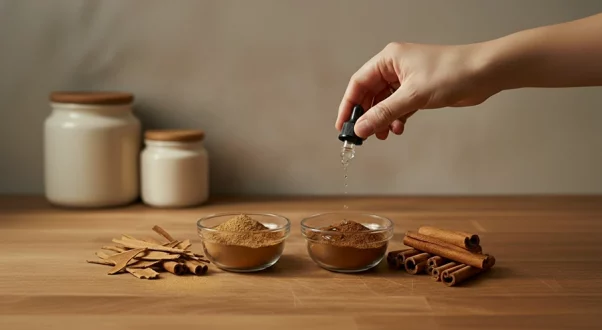
Is Your Pantry Lying to You? The Cinnamon Test That Might Surprise You
Because sometimes the most ordinary bottle is hiding a bitter truth.
When was the last time you really thought about your cinnamon?
Not just reached for it. Not just sprinkled it on toast. But it really looked at its color, texture, and scent.
If you’re like most people, the answer is probably never. Somewhere along the way, cinnamon stopped being a spice of reverence. It became a filler—a background note in spice blends. But here’s the truth: what’s in your jar might not even be cinnamon at all.
Cassia vs. Ceylon – The Cinnamon Swap You Didn’t See Coming
Open your spice cabinet. Pick up that old jar labeled “Ground Cinnamon.” Take a pinch and rub it between your fingers.
- Sharp, dry, and pungent? That’s Cassia cheaper, more intense cousin of true cinnamon.
- Soft, floral, and delicate? That’s Ceylon cinnamon, also known as Alba cinnamon, from the Cinnamomum verum tree.
The difference isn’t just in flavor. It’s in safety, heritage, and health.
The Cinnamon Test – Try This at Home
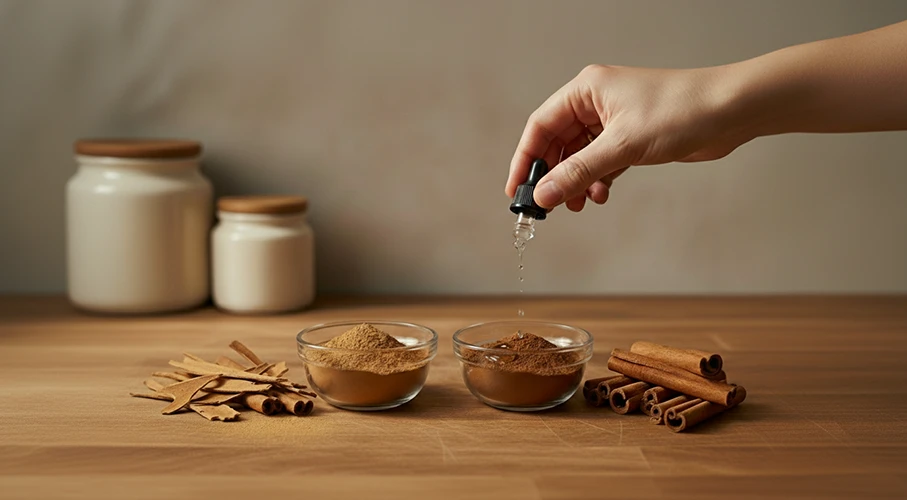
You don’t need lab equipment to tell if your cinnamon is lying to you. Just try these simple sensory tests:
1. The Bend Test
Take a stick (if you have one) and bend it gently:
2. The Look Test
Place a pinch of powder on a white plate:
- Cassia: Brick red to dark brown.
- Alba: Light golden, almost sandy.
3. The Smell Test
Inhale deeply:
- Cassia: Sharp, aggressive, one-note.
- Alba: Floral, complex, with citrus hints.
4. The Taste Test
Dab a pinch on your tongue:
- Cassia: Hot and bitter.
- Alba: Soft spice, no harsh burn.
Why It Matters for Your Health
Not all cinnamon is created equal—and not all of it is safe in daily doses.
- Cassia cinnamon contains high levels of coumarin, a compound linked to liver damage when consumed in excess. It’s banned as a food additive in several countries, yet dominates the U.S. market because it’s cheap and potent.
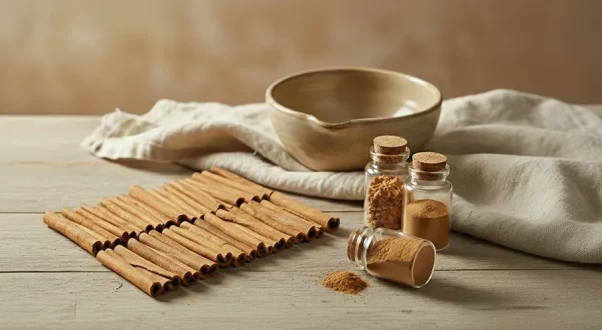
- Alba cinnamon is naturally low in coumarin and grown only in Sri Lanka. Harvested from the youngest bark, hand-rolled into thin quills, and sun-dried—it’s a spice you can trust.
Upgrade Your Pantry with Alba Cinnamon
You invest in good olive oil, raw honey, and artisanal chocolate. Why not cinnamon?
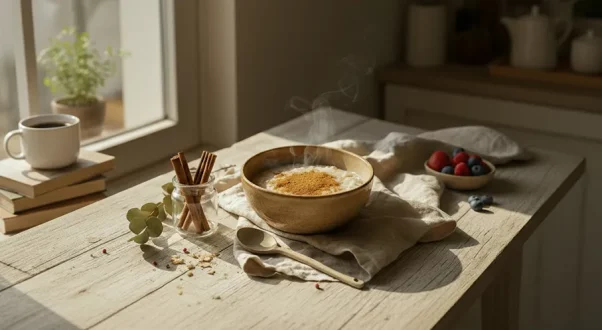
This spice lives in your chai, muffins, and morning oats. It shouldn’t be an afterthought—it should be an upgrade.
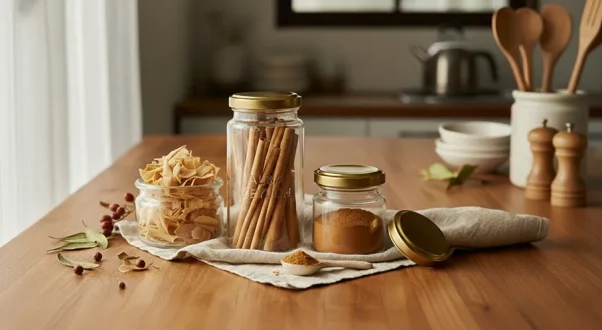
When you open a jar of Flavahs Alba Cinnamon—quills, flakes, or powder—you’ll know this is something else. Not just in aroma, but in intention.
Don’t Take Our Word for It. Take the Test.
Next time you’re in your kitchen, do the cinnamon test. Use your senses. Then use your conscience.
You don’t need 20 jars of trendy blends. You just need one done right.
Sources
- Federal Institute for Risk Assessment – High levels of coumarin in cinnamon
- Ranasinghe, P., et al. (2013). Medicinal properties of Ceylon cinnamon. BMC Complementary and Alternative Medicine.
- USDA National Nutrient Database – Cinnamon Profile
Ready to Taste the Difference?
Taste the world’s finest cinnamon — crafted in Sri Lanka
Shop Now